



1. 不登校調査の調査
1. A survey of surveys on school non-attendance
不登校をめぐる既存の調査を調べ直し,研究につなげられないか考えています。
Re-examining existing surveys on school non-attendance and looking for a research question in them.
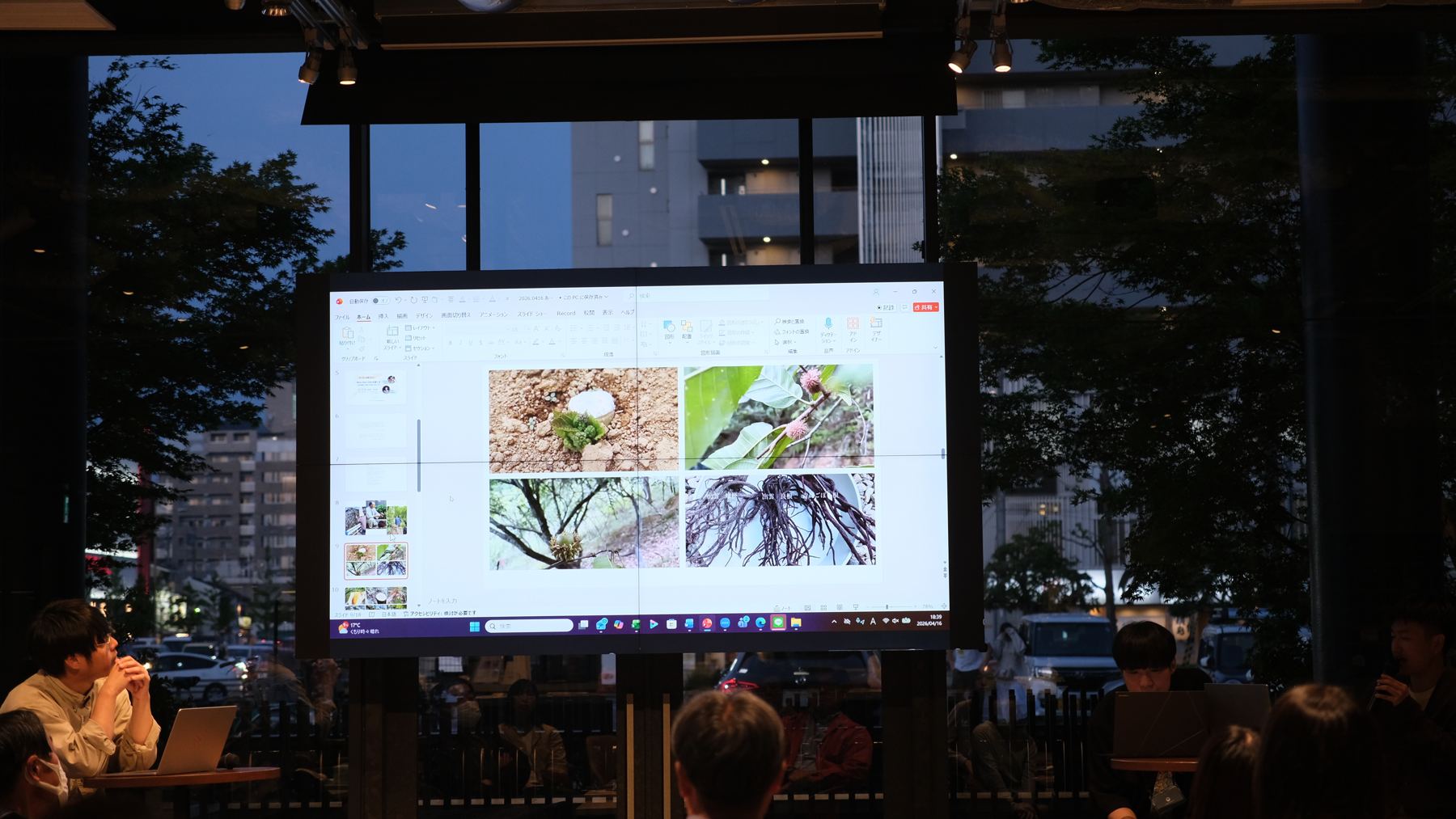
あいまいとの研究は,メンバーのちいさな「なんで?」から始まります。たねを集め,芽が出たものをプロジェクトにし,実ったものを論文として発表します。
Research at Aimaito starts with members' small questions. We collect seeds, grow the ones that sprout into projects, and publish what ripens as papers.
最近気になったニュースや記事,「美しい」と感じたもの,「調べてみたい」と思うもの。どんなに小さなことでも,気になったこと全てが“研究のたね”です。「なんかこれ曖昧だよね~」というものを集めた図鑑から,いくつか紹介します。
News that caught your eye, things that felt beautiful, things you want to look into: anything, however small, can be a research seed. Here are a few from our collection of things that feel "kind of ambiguous".
先に手をついても,体が崩れていれば負けにならないことがある。ビデオ判定まであるのに,最後の決め手はあいまい。決まり手が決まったあとに訂正されることも。
Touching down first does not always lose if your opponent's body has already "died". Even with video review, the final call stays ambiguous, and the winning technique is sometimes corrected afterwards.
竹刀が小手に当たっただけでは一本にならない。柔道の判定も,大会のたびに議論になる。
Simply hitting the wrist does not score. Judo decisions, too, spark debate at every tournament.
基準に照らして全団体に賞がつく。心惹かれた演奏が金賞になるとは限らない。
Every band is rated against criteria and gets a prize. The performance that moved you most may not win gold.
あいまいな言葉をどう解釈するかは,大人と子どもで違うらしい(九州大学の研究)。
Adults and children seem to resolve such ambiguous words differently (a study from Kyushu University).
白でも黒でもない色だからこそ,となりの色を引き立てる。
Because it is neither white nor black, it lets the colours beside it shine.
使い方を決めつけない場所には,あいまいに居られる余白がある。
A place that does not dictate how to use it leaves room to simply be there.
整った形には心がなびくのに,手に取るとしっくりくるのは歪んだほう。
We are drawn to perfect forms, yet the warped one feels right in the hand.
いけばな展では,花を使わない作品がむしろ普通だった。「生ける」とは何だろう。
At an ikebana exhibition, works without flowers were almost the norm. What does it mean to "arrange"?
境界があいまいだと,コミュニティのあいだを行き来しやすくなる。メンバーの気づきから。
When the line blurs, people move between communities more easily. A member's observation.
芽が出たたねは,少しずつ仮説,調査,考察へと進めていきます。いま Discord で動いているプロジェクトは9つ。
Seeds that sprout move step by step through hypotheses, surveys and discussion. Nine projects are running on Discord now.
1. 不登校調査の調査
1. A survey of surveys on school non-attendance
不登校をめぐる既存の調査を調べ直し,研究につなげられないか考えています。
Re-examining existing surveys on school non-attendance and looking for a research question in them.
2. Podcast は対談形式が聞きやすいか?
2. Are podcasts easier to follow as conversations?
学術誌に掲載されました(下の成果を参照)。
Published in a journal (see below).
3. 芸術の秋がなくなる?
3. Will we lose the "autumn of the arts"?
気候変動と季節の美しさのプロジェクト。プレプリントとして発表しました(下の成果を参照)。
A project on climate change and seasonal beauty, now out as a preprint (see below).
4. いけばなエキスパート
4. Ikebana experts
いけばなの何が美しさに効いているのか。日本認知科学会で発表しました(下の成果を参照)。
What is it in ikebana that makes it beautiful? Presented at the Japanese Cognitive Science Society (see below).
5. 中学生向け曖昧さ耐性尺度
5. An ambiguity-tolerance scale for junior high school students
曖昧さをどれくらい受け止められるかを測る,中学生向けの尺度をつくっています。
Building a scale that measures how well junior high school students can sit with ambiguity.
6. 古代染色の美しさ(仮)
6. The beauty of ancient dyes (working title)
あいまい会議 Vol.3「色の曖昧さ」から生まれたたね。
A seed that grew out of Aimai Kaigi Vol.3 on ambiguous colours.
7. 聴覚障がい者の感覚特性(茶道)
7. Sensory experience of deaf people in tea ceremony
大阪府立だいせん聴覚高等支援学校との共同研究。薄茶点前と視線の研究を日本認知科学会で発表しました(下の成果を参照)。
A joint study with a school for the deaf in Osaka. A study of gaze during usucha tea preparation was presented at the Japanese Cognitive Science Society (see below).
8. 妖怪と幽霊
8. Yokai and ghosts
妖怪と幽霊の違いを見ることで,妖怪を立体的にとらえたい。オンライン調査では,幽霊より妖怪のほうが「怖いけど,かわいい」という混合感情を強く引き起こしていました。日本心理学会のシンポジウムで指定討論として紹介しました(下の成果を参照)。
Looking at how yokai differ from ghosts, to see yokai in the round. In an online survey, yokai evoked stronger mixed feelings, "scary but cute", than ghosts did. Presented as a discussant at a Japanese Psychological Association symposium (see below).
9. 一人称視点手話認識
9. First-person sign language recognition
同じ学校との共同プロジェクト。
Another joint project with the same school.
Awe shapes responses to climate change messages: A preregistered comparison of seasonal conservation and disaster prevention frames
Hitsuwari, J., Takahashi, A., Kuniba, K., Hayashi, T., Okumura, C., & Hashimoto, K.
気候変動は,災害の増加だけでなく,季節の美しさや文化も失わせつつあります。そこで,季節の魅力を守るメッセージと,災害を防ぐメッセージでは,人の意識や行動がどう変わるかを調べました。結果として,環境への考え方や行動の意欲には大きな違いはなく,災害防止を強調すると寄付の金額が少し減ることがわかりました。ただし,自然に対して「畏敬の念」を感じやすい人は,どちらのメッセージでも環境に優しい行動をとりやすい傾向がありました。つまり,伝え方よりも「どんな人に伝えるか」が大切なようです。
Climate change is taking away not only safety from disasters but also the beauty and culture of the seasons. We compared messages about protecting seasonal beauty with messages about preventing disasters. Attitudes and intentions hardly differed, and stressing disaster prevention slightly lowered donations. People who readily feel awe toward nature, however, leaned toward eco-friendly behaviour under either message. Who hears the message seems to matter more than how it is framed.
doi.org/10.21203/rs.3.rs-7863327/v1Comparison of Listening Experiences by Podcast Styles: Monologue versus Dialogue
Hitsuwari, J., Hayashi, T., Moriya, H., & Ohtake, Y.
ひとりで話すモノローグ形式と,会話で進むダイアローグ形式のポッドキャスト。どちらが聴き手にとって心地よく,理解しやすいのかを調査しました。その結果,楽しさの違いは見られず,理解のしやすさではモノローグ形式にやや軍配が上がりました。どんな形式かよりも,「話の内容」や「聴く人のタイプ」が体験に影響するようです。
Monologue or dialogue: which podcast style is more pleasant and easier to understand? Enjoyment did not differ, and monologues were slightly easier to understand. What is said, and who is listening, seem to shape the experience more than the format.
doi.org/10.1037/ppm0000622いけばなの美をめぐる熟達者と初心者の視点の差異
Differences in expert and novice perspectives on the beauty of ikebana
櫃割 仁平・林 尚芳・国場 要・ヤコブセン トマス
Hitsuwari, J., Hayashi, T., Kuniba, K., & Jacobsen, T.
いけばなの美を構成する要素を明らかにするため,熟達者46名と初心者245名の自由記述を,質的内容分析と自然言語処理で比べました。初心者は色彩やバランスといった作品の見た目を重視し,熟達者は自然さや生命力,自己表現,姿勢や心構えといった,制作のプロセスや精神性を重視していました。
To find out what makes ikebana beautiful, we compared free-text answers from 46 experts and 245 novices using qualitative content analysis and natural language processing. Novices focused on what the work looks like, such as colour and balance. Experts focused on naturalness and vitality, self-expression, and the maker's posture and attitude: the process and the spirit behind the work.
PROCEEDINGS (P3-27)薄茶点前における泡の生成と視線滞留時間の関係:健聴者・難聴者における認知プロセスの比較分析
Foam formation and gaze dwell time in preparing usucha tea: Comparing the cognitive processes of hearing and hard-of-hearing people
小松 慎太郎・徳田 浩一・岩田 拓也・村上 祐子・桐木 洋輔・林 尚芳・櫃割 仁平
Komatsu, S., Tokuda, K., Iwata, T., Murakami, Y., Kiriki, Y., Hayashi, T., & Hitsuwari, J.
大阪府立だいせん聴覚高等支援学校との共同研究。薄茶を点てるときの泡の立ち方と,視線がどこにどれだけ留まるかの関係を,健聴者と難聴者で比べました。
A joint study with a school for the deaf in Osaka. We compared how foam forms while preparing usucha tea with where, and for how long, the gaze rests, in hearing and hard-of-hearing participants.
PROCEEDINGS (P2-29)プレイがつなぐ研究と社会:市民・クリエイター・SF作家による実践を通じて
Research and society connected through play: Practices by citizens, a creator and a science-fiction writer
林 尚芳・櫃割 仁平・荒井 亮・玖馬 巌
林 尚芳・櫃割 仁平・荒井 亮・玖馬 巌
あいまいとでの市民と研究者の共同研究を,クリエイターや SF 作家の実践と並べて,「研究をプレイする」かたちとして紹介しました。
We presented the joint research of citizens and researchers at Aimaito alongside the practices of a creator and a science-fiction writer, as ways of "playing research".
PROCEEDINGS (OS1-5-01)暮らしに共在する怪異の探求とテクノロジーによる実装
Exploring the uncanny that lives alongside us, and bringing it to life through technology
高橋 英之・中分 遥・池田 鮎美・川田 恵・櫃割 仁平・奥野 克巳
高橋 英之・中分 遥・池田 鮎美・川田 恵・櫃割 仁平・奥野 克巳
指定討論として,あいまいとの「妖怪と幽霊」プロジェクトのオンライン調査を紹介しました。妖怪は幽霊より「怖いけど,かわいい」という混合感情を強く引き起こし,自由記述でもポジティブな語が多く,ネガティブな語は少なめでした。
As discussant, we introduced the online survey from Aimaito's "Yokai and ghosts" project. Yokai evoked stronger mixed feelings, "scary but cute", than ghosts, and free-text answers about yokai held more positive and fewer negative words.
コミュニティサイエンスの実践―心理学研究コミュニティ「あいまいと」における一般市民と研究者による共同研究の事例を通して
Community science in practice: Joint research by members of the public and researchers in the psychology research community Aimaito
林 尚芳・櫃割 仁平
Hayashi, T. & Hitsuwari, J.